
How to Start a Vintage Collection You Will Love
A calm, practical way to choose pieces with character and build a collection that feels like yours.
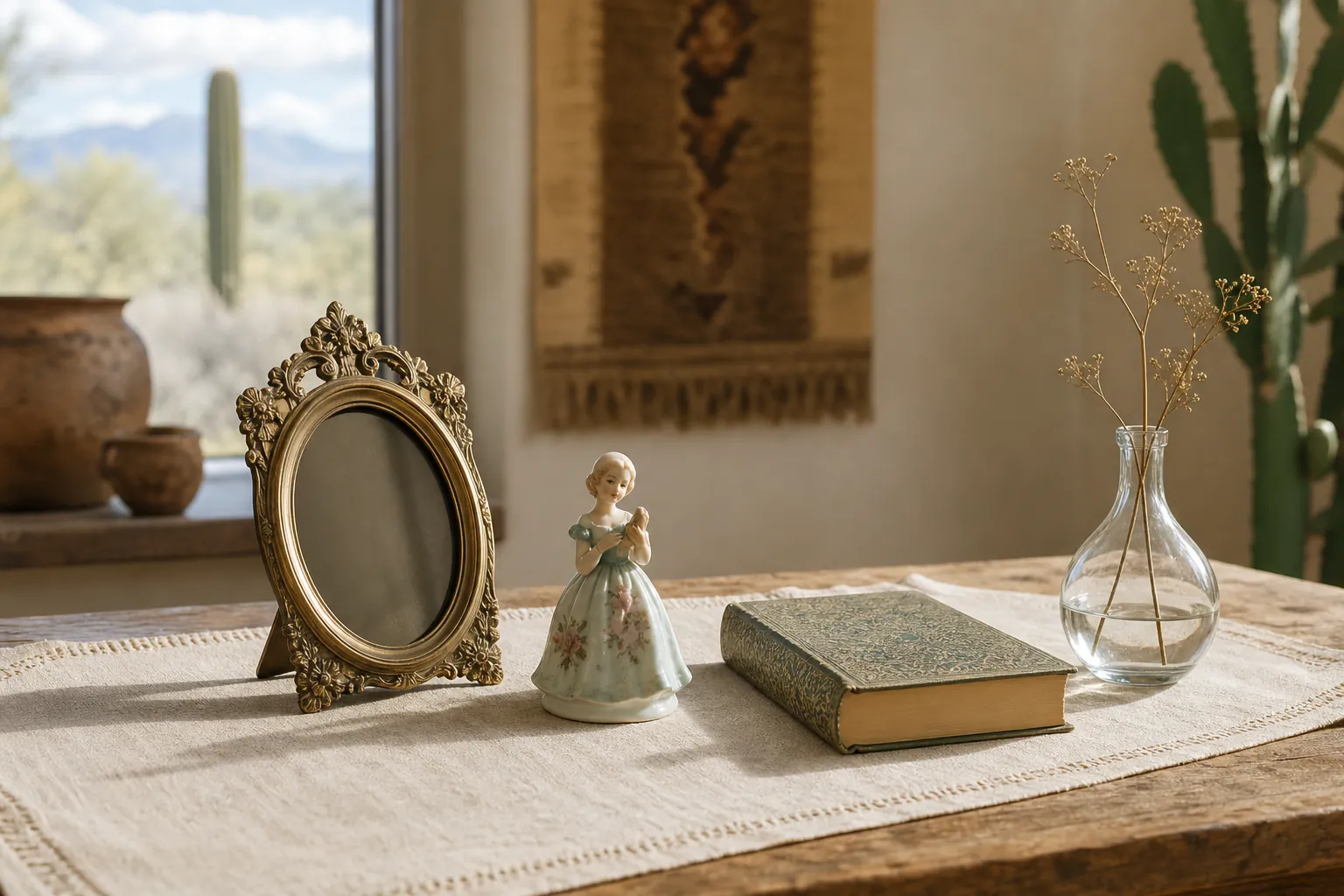
Starting a vintage collection does not require a grand plan, a huge budget, or a house full of display cases. It starts with noticing the objects that make you pause. Maybe it is the blue edge of a plate, a small glass basket, a well-made mug, or a figurine with an expression that feels unexpectedly familiar. The best collections grow from that kind of attention. They are not built by buying everything at once. They are built by choosing a few things you want to keep looking at.
This collector guide is for anyone who wants to begin with more confidence. The aim is not to turn every purchase into a hunt for a hidden treasure. It is to help you choose pieces that suit your home, your budget, and your own sense of style. A collection can be useful, decorative, nostalgic, playful, or all of those things at once. The important part is that it feels intentional when you live with it.
Begin with what you are genuinely drawn to
Pick a starting point that feels easy to recognize. You might love colored glass, floral china, animal figurines, old holiday pieces, vintage barware, or small objects connected to a hobby. A focus gives your eye something to practice on. It also makes browsing more enjoyable because you are no longer facing a room full of possibilities with no way in.
Your focus does not need to be narrow. “Interesting vintage glass” is enough to begin. Over time, you may find that you keep coming back to baskets, milk glass, or deep jewel tones. You may discover that you care more about shape than maker, or that a certain era suits your home better than another. Let your preferences become clearer through the pieces you choose instead of deciding that you must be an expert before you buy anything.
It helps to name the job you want the collection to do. A group of mugs might make everyday coffee feel more personal. A few bowls can bring color to a sideboard. A small shelf of figurines can hold family memories and give visitors something to ask about. When an object has a role in your life, it is less likely to end up hidden in a box simply because it was an exciting find in the moment.
Choose one good piece before chasing a full set
There is a special thrill in finding a matched set, but it is not the only way to collect well. One beautiful plate can work as wall decor. One vase can bring a shelf to life. One unusual serving piece can become the item you reach for whenever friends come over. Starting with a single piece lets you learn what you enjoy without committing money and space to a category that may not hold your interest.
A small collection also gives every item breathing room. Instead of filling a cabinet quickly, try placing one or two pieces where you will see them every day. Notice whether the color works in the room, whether the scale feels right, and whether you find yourself using it. Those small observations will guide the next purchase better than a generic rule about what a collection should include.
If you are tempted by a set, look beyond the number of pieces. Check that the patterns truly match, that the condition is consistent, and that you have a place to use or display it. A smaller group of pieces in excellent condition can be more satisfying than a larger group with chips, cracks, or parts you do not need. There is no prize for collecting the most. The pleasure comes from finding the right pieces for you.
Learn the five details that make buying easier
Before you fall in love with a listing, slow down and look for five practical details: the material, the measurements, the condition, the maker or pattern information, and clear photographs. These are the basics that help you imagine the object in your home instead of only on a screen.
Measurements are especially useful. A bowl that looks generous in a close photo may be petite in person, while a small decorative object can be larger than expected. Use a ruler, a favorite mug, or the shelf where you plan to place it as a quick point of reference. For plates and glassware, diameter and height both matter. For figurines and baskets, consider depth as well as height so you know how much surface they will need.
Condition is not a single yes-or-no answer. A light scratch on the base of a vintage bowl may be ordinary wear. A chip on a rim, a crack, missing paint, or a repair can matter much more depending on how you want to use the piece. Read the description closely and look at every photo. If the condition is not clear enough for you to make a comfortable choice, it is fine to leave that one behind.
Maker marks and pattern names are useful, but they are not a reason to ignore the rest. An unmarked piece can still be beautifully made and worth enjoying. A famous name does not make damage disappear. The best habit is to look at the whole object first, then use marks and research to refine what you know. Our vintage glassware identification guide offers a closer look at the details that can help when glass is the part of collecting that has your attention.
Set a budget that leaves room for surprise
A thoughtful budget is not about making collecting feel strict. It gives you the freedom to say yes when a piece really fits. Decide what feels comfortable for a casual find, a special gift, or a piece you have been looking for over time. When you know your range, you are less likely to buy something hurriedly just because it seems like a bargain.
Remember to account for shipping, display supplies, and any care the object may need. A plate hanger, a padded shelf liner, or a small stand can be part of bringing a piece home properly. If you are buying online, leave enough room in the budget for the condition and size to matter more than the excitement of the first photo.
It is also fine to have a waiting list. When you see an item that interests you but does not feel quite right, write down what caught your eye. After a few weeks, you may recognize a pattern in your choices. That is much more useful than trying to buy according to a trend. Vintage collecting works best when it is personal, not rushed.
Give your collection a place to live
Collections feel more meaningful when they are part of the room rather than stored away. Start with one shelf, a cabinet, a sideboard, or a tray. Group items by a simple connection such as color, material, height, or mood. Two or three pieces that share a quiet relationship often look better than a crowded group where every item competes for attention.
Think in layers. A tall vase or figurine can sit behind a lower bowl or dish. A small stack of books can give a delicate object a little height. Leave clear space around your favorite pieces, especially glass, so light can do some of the work. The goal is not to recreate a shop display. It is to let the collection feel at home with the rest of your life.
For fragile pieces, choose stability over drama. Keep them away from crowded edges, busy walkways, and places where doors or drawers can knock into them. Avoid stacking heavy objects directly on older glass or painted ceramics. If you want more ideas for arranging glass without making it feel cluttered, read our guide to displaying vintage glassware.
Keep simple records as your collection grows
A collecting record can be as simple as a note on your phone. Save a photo, the maker or pattern if known, the measurements, condition notes, where you found the piece, and what you paid. This is helpful when you want to remember a detail later, look for a companion piece, or explain the story behind an object to someone else.
Records can also protect the pleasure of collecting. They make it easier to see what you already own and prevent accidental duplicates unless duplicates are part of the fun. For a larger collection, take a quick photo of each shelf or cabinet after you arrange it. You will start to notice which pieces are doing the most work in the room and which ones might be ready to move along.
Buy with curiosity, not pressure
There will always be another interesting object. That is one of the best things about vintage collecting. You do not need to buy a piece because someone says it is rare, because a seller uses a dramatic description, or because you worry you will never see another one. If the condition, price, size, and feeling do not line up, it is usually better to wait.
Curiosity keeps the hobby enjoyable. Look at the underside of a plate. Notice how a glass piece catches the light. Compare the scale of two similar bowls. Ask yourself whether you would still want the item if it had no resale story attached to it. That question can bring you back to the real point: choosing objects that add beauty, usefulness, or memory to your daily surroundings.
Find pieces with a story you want to keep
Tucson Collectibles brings together individual vintage finds for people who enjoy the detail, charm, and character of older objects. The current selection changes often, so browsing is a chance to discover what speaks to you rather than follow a fixed checklist. Whether you are looking for one colorful glass accent, a plate with a pattern you remember, or an unusual gift, the best choice is the one you can picture enjoying long after the first excitement of finding it.
Browse the current vintage collection when you are ready to look. If glass is your starting point, the Fenton Glass collection is a lovely place to see how color, shape, and detail can turn a single object into a focal point. For questions about a listing or local pickup, the contact page has the quickest way to reach the shop.
Frequently asked questions
What is the best thing to collect first?
Start with the kind of object you naturally notice and can enjoy at home. A small group of glassware, a favorite china pattern, a few figurines, or useful barware is a better beginning than buying whatever seems old or rare.
Do I need to know a lot before buying vintage?
No. Begin with the visible facts: measurements, condition, maker marks, materials, and clear photos. Learn one object at a time, and leave room for your taste to develop.
Should I buy a complete set?
Only if a complete set is what you want. A single bowl, plate, vase, or decorative object can be a satisfying start. Collections often become more personal when they grow gradually.
How should I store a vintage collection?
Keep pieces clean, dry, and stable. Give delicate items room so they do not rub together, and avoid stacking weight on fragile rims, handles, or painted surfaces.
Ready to find your first piece?
Browse vintage glass, china, decor, and gifts chosen for their character and charm.
Browse the Etsy Store