Whimsical Cat Collectibles: A Guide to Finding Your Favorite Feline
A vintage cat collection does not need to match. It needs a point of view, a little room to play, and pieces that make you smile every time you pass them.
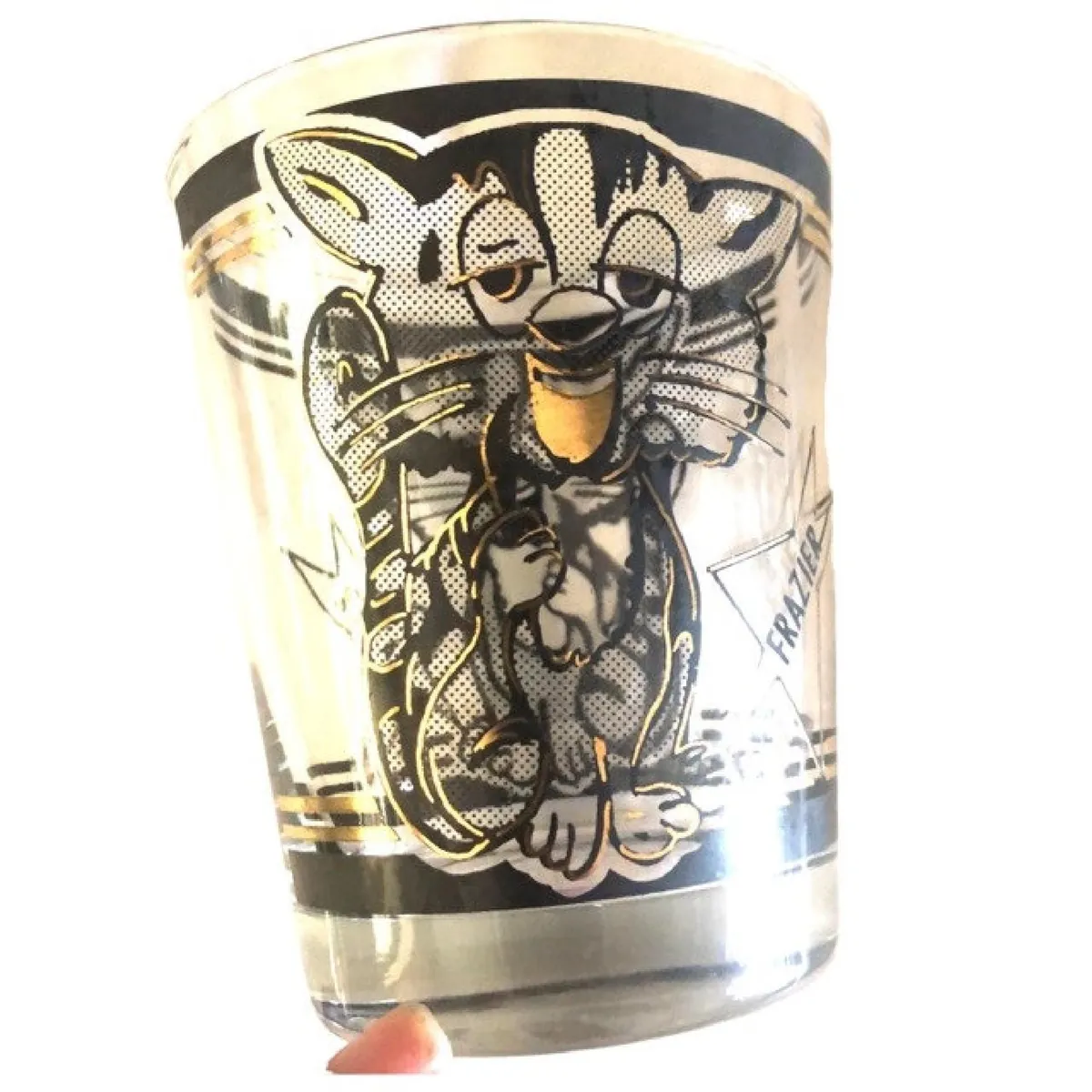
Whimsical cat collectibles have a useful talent: they can make a room feel more like the people who live there. A feline face on a small glass, a plate with a pair of kittens, or a figurine in an unreasonably dramatic pose brings humor without asking the whole room to become a theme. The best pieces feel discovered, not decorated around.
That is why vintage cat décor is so easy to collect. It appears across ceramics, glass, jewelry, kitchenware, wall plates, and small shelf objects. You can start with one object that catches your eye and let it set the tone. Perhaps you prefer storybook kittens, sleek mid-century lines, blue-and-white florals, or the kind of cat face that seems to have opinions about your furniture. There is room for all of it.
Choose the kind of cat that belongs in your home
Before looking for a maker or an era, decide what kind of presence you want. A cat-themed tumbler or mug is lighthearted and useful. A plate gives you color and a little wall drama. Figurines create a small scene on a shelf. A brooch makes the collection portable. The category matters less than the response you have to the object.
Look closely at the details that make a piece feel alive: a tilted ear, a raised paw, an expressive painted eye, a long curved tail, or a pattern that feels slightly unexpected. The Smithsonian’s collection of feline-inspired decorative arts is a lovely reminder that artists and makers have found endless ways to interpret the same familiar animal. Your own collection can be just as varied, even if it begins with one small treasure.
Collect by mood, not by rule
A collection becomes memorable when it has an inner logic. That logic can be serious, but it does not need to be. You might gather only sleeping cats, bright-eyed kittens, blue cat pieces, or objects that make a practical room feel less practical. You might keep a small group of friendly faces in the kitchen and a quieter group of porcelain cats in a bedroom or office.
Try a simple test before bringing home another piece: can you picture where it will live? If the answer is immediate, that is usually a better sign than whether it perfectly matches something you already own. A collection with a little tension is often more interesting than one where every object is the same color, scale, and age.
Look for condition that suits the piece
Whimsy should not keep you from checking the basics. Examine ceramic ears, tails, paws, and raised details closely, since those are common places for small chips or old repairs. On glasses and mugs, check the rim, handle, and decoration. On plates, look at the foot ring and the front under good light. A tiny bit of age can be part of a vintage object’s charm. A crack that makes a piece unstable is a different matter.
Turn the piece over when you can. A backstamp, foil label, model number, painter’s mark, or country of origin can help you learn more later. It also gives you a useful note to keep with a growing collection. The Met’s small Derby porcelain cat is a good example of how much material, maker, and date can add to a simple feline figure. You do not need museum-level provenance for every find, but it is worth noticing the clues an object offers.
Make the display feel playful, not crowded
Give a small cat collection one clear landing place. A shallow shelf, a cabinet, a kitchen ledge, or the top of a bookcase works well. Start with a single anchor, such as a plate on a stand or a figurine with a strong silhouette, then let smaller pieces gather around it. Leave a little bare surface. Empty space gives every painted face and tiny paw a chance to register.
Mix heights and materials. A plate can sit behind a shorter figurine. A mug can hold a small dried arrangement, although it should not be made to support weight it was never meant to carry. A glass can sit beside books or a framed print. Repeat one visual thread, such as warm cream, cobalt blue, brass, or a wood tone, and the whole grouping will feel intentional.
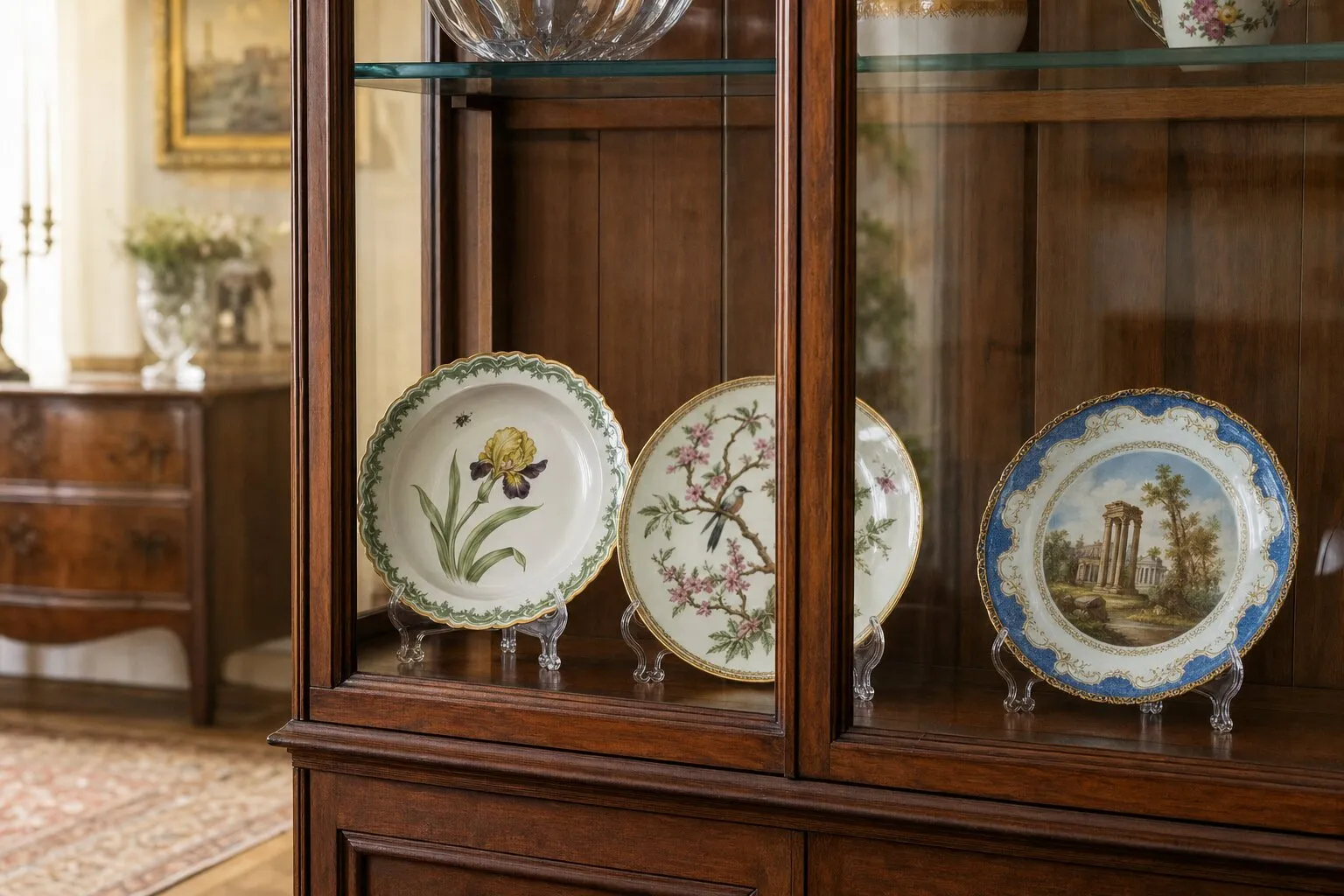
If you are displaying a cat plate, the same gentle approach used for cabinet plates applies: use a secure stand, keep heavier pieces low, and avoid direct sun or a spot where the piece can be knocked. The charm is in seeing the piece often, not in making it work too hard.
Let a useful piece earn its place
Not every collectible needs to live behind glass. A sound tumbler can become a favorite evening glass. A sturdy mug can make an ordinary coffee break feel more personal. Practical pieces often become the heart of a collection because they gather memories along with their small scratches and stories.
Use judgment with older decoration, metallic trim, hand-painted surfaces, and anything with visible wear. Gentle hand washing is the cautious choice for many vintage ceramics and glass pieces. If a piece feels too special, too delicate, or too uncertain for daily use, let it be décor. There is no prize for treating a treasured object like an ordinary cup.
Build a collection that can keep changing
One of the pleasures of vintage cat collectibles is that the display does not have to stay fixed. Rotate a plate to the wall for a season, move a figurine from the living room to a bedside shelf, or change which mug sits by the coffee maker. Small changes let you enjoy the collection without buying simply to fill space.
As the group grows, take quick photos and keep simple notes on what you know: where you found the piece, any mark underneath, the condition, and what drew you to it. Those notes are useful when you are comparing future finds, but they are also part of the story. A collection is not only a group of objects. It is a record of the things you noticed enough to keep.
Pair feline pieces with what you already collect
Cat collectibles do not need to live in a cat-only room. A black-and-cream cat glass can sit naturally beside barware, books, or a favorite framed photograph. A floral cat mug can soften a kitchen shelf that already holds transferware or painted pottery. A ceramic cat plate can work beside other wall plates when the color, scale, or mood feels connected.
Start by looking at the materials already in the room. Warm wood, brass, old books, woven baskets, and pottery are generous companions for playful figurines. Blue-and-white china makes a natural neighbor for a cat plate with a deep blue border. A more modern room can use one small vintage cat object as a slightly offbeat accent. The point is not to make the cat piece disappear. It is to give it company that makes its personality easier to notice.
Scale helps, too. Keep a small figurine near objects of a similar visual weight, rather than placing it alone on a large empty surface where it can look lost. Let a larger plate or framed print carry more wall space. If you have several tiny cats, group them on a tray or shallow shelf so they read as one deliberate moment instead of scattered clutter.
Choose a cat collectible worth giving
Whimsical cat pieces make especially thoughtful gifts because they can feel specific without being too formal. A useful glass or mug works for someone who enjoys a small ritual. A plate or figurine suits a friend who loves to arrange a shelf, keep a curio cabinet, or add a little story to a quiet corner. Look for a piece that resembles their style rather than trying to guess their entire home.
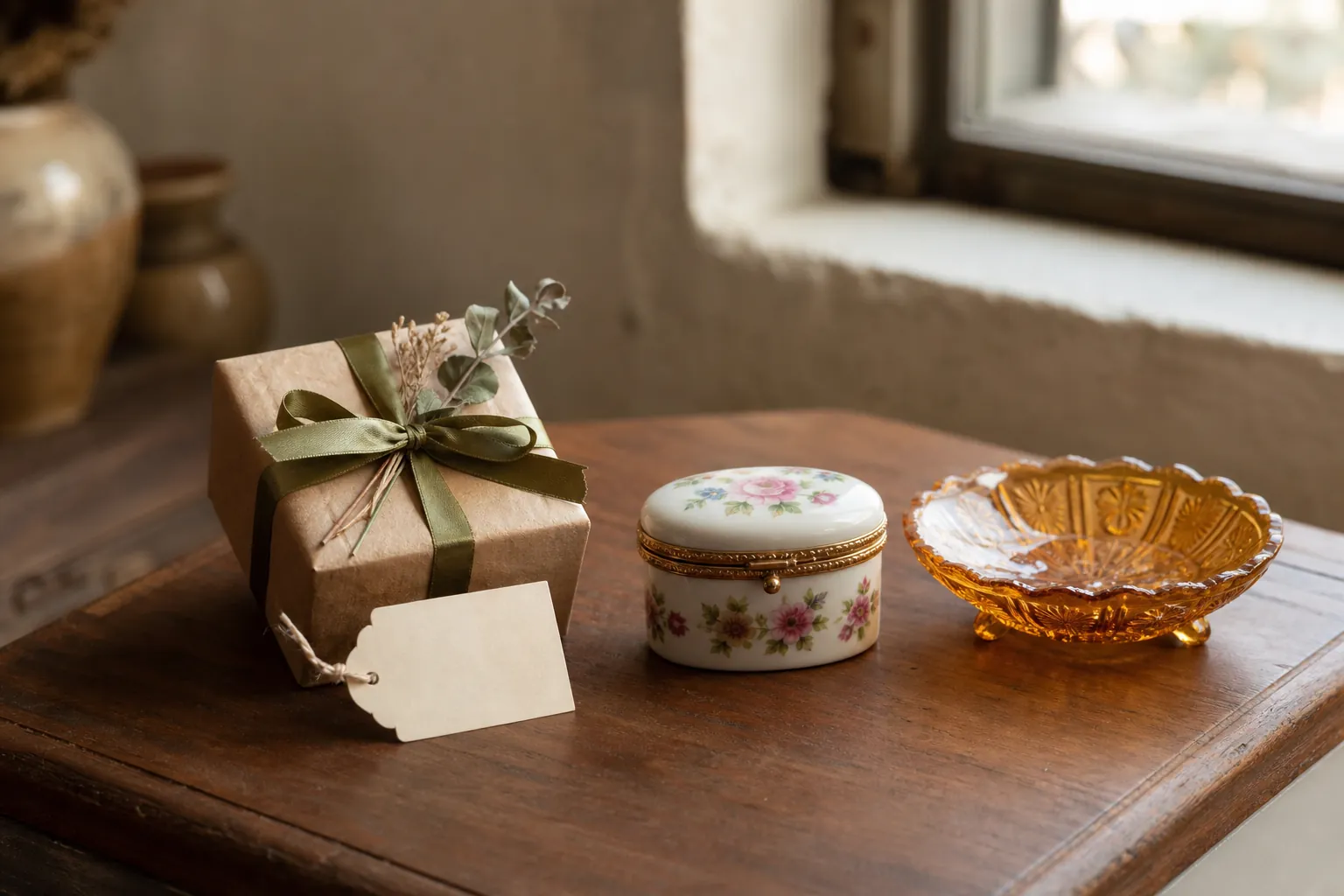
When choosing a vintage gift, condition matters even more. Read the listing description, study the photos, and think about whether the recipient will use the piece or display it. A cat lover may be delighted by a little wear on a decorative object if it adds character, while a drinking glass or mug should feel sound and comfortable in the hand. A piece with a clear purpose is easier to enjoy from the first day.
If you are unsure where to begin, a small, well-made object is usually more successful than a large novelty piece. It has an easier place to land in someone else’s home and leaves room for them to build their own collection. Our guide to choosing a vintage gift has a few more ways to match a find to the person who will receive it.
Whimsical cat finds, currently available
These active TucsonTiques listings are ready for a cat-loving shelf, kitchen, or gift box. Select any piece for its full details and Etsy checkout.
Vintage Libbey Frazier Cat Whiskey Glass: 1980s Etched Tumbler
$24.99
Kittens Wall Decor Ceramic Cat Plate, Colorful Kitchen Art
$34.99
Vintage Danbury Mint Cats of Character Figurines, Tail End and Playtime Kittens
$39.99
Otagiri Japan Cat Decor Mug, Blue Irises, Vintage Floral Coffee Cup
$24.99The term “Etsy” is a trademark of Etsy, Inc. This application uses the Etsy API but is not endorsed or certified by Etsy, Inc.
Find the next feline favorite
Whether you start with a single playful glass or build a shelf of figurines and plates, choose pieces that feel like they belong to you. Browse the current cat collection for more feline finds, or explore the wider vintage collection when you want to follow a different trail.
Frequently asked questions
What makes a cat collectible feel whimsical?
Whimsy usually comes from expression, pose, color, or an unexpected use. A painted cat mug, a tumbler with an etched feline, or a small figurine caught mid-play can feel more personal than a perfectly formal object. The best choice is the one that makes you look twice.
How should I start a vintage cat collection?
Start with one lane you genuinely enjoy, such as cat mugs, plates, figurines, or feline-themed glass. Choose one or two pieces with clear condition photos, then let the collection grow slowly around a color, maker, era, or mood.
Can cat collectibles be displayed with other vintage decor?
Yes. Cat pieces work especially well with books, pottery, framed art, small plants, and warm wood. Give each piece enough space to read clearly, and repeat one color or material so the display feels collected rather than crowded.
Should vintage cat collectibles be used or only displayed?
That depends on the piece and its condition. A sound mug or glass may be enjoyable in gentle use, while a delicate figurine, plate, repaired piece, or object with special decoration is usually happier on a shelf or in a cabinet.